


Dijon Seasoned limestone is a popular and durable option for indoor and outdoor projects. If you have your heart set on Dijon limestone flooring, you may be considering the question ‘What is Dijon Seasoned limestone?’. We understand it can be a little overwhelming to understand natural stone finishes, so we have put together a simple guide on the Dijon Seasoned limestone to cover what kind of characteristics result from this finish and what sorts of project this beautiful natural stone option complements the most.
How is Dijon Seasoned limestone produced?
Dijon limestone is a type of natural stone, meaning it naturally occurs and is quarried from the earth before being made into tiles and other natural stone products. Being a sedimentary stone, Dijon limestone is formed over millions of years, which makes it particularly dense and hard-wearing, as well as meaning it features traces of fossils and other elements such as calcite.
The ‘Seasoned’ finish is applied during the process in which the raw Dijon limestone is made into tiles. Once the tiles are created, an acidic solution is used on the surface of the tiles. This slightly erodes any less dense parts of the stone’s surface, creating a more rustic appearance than the other Dijon limestone finishes.
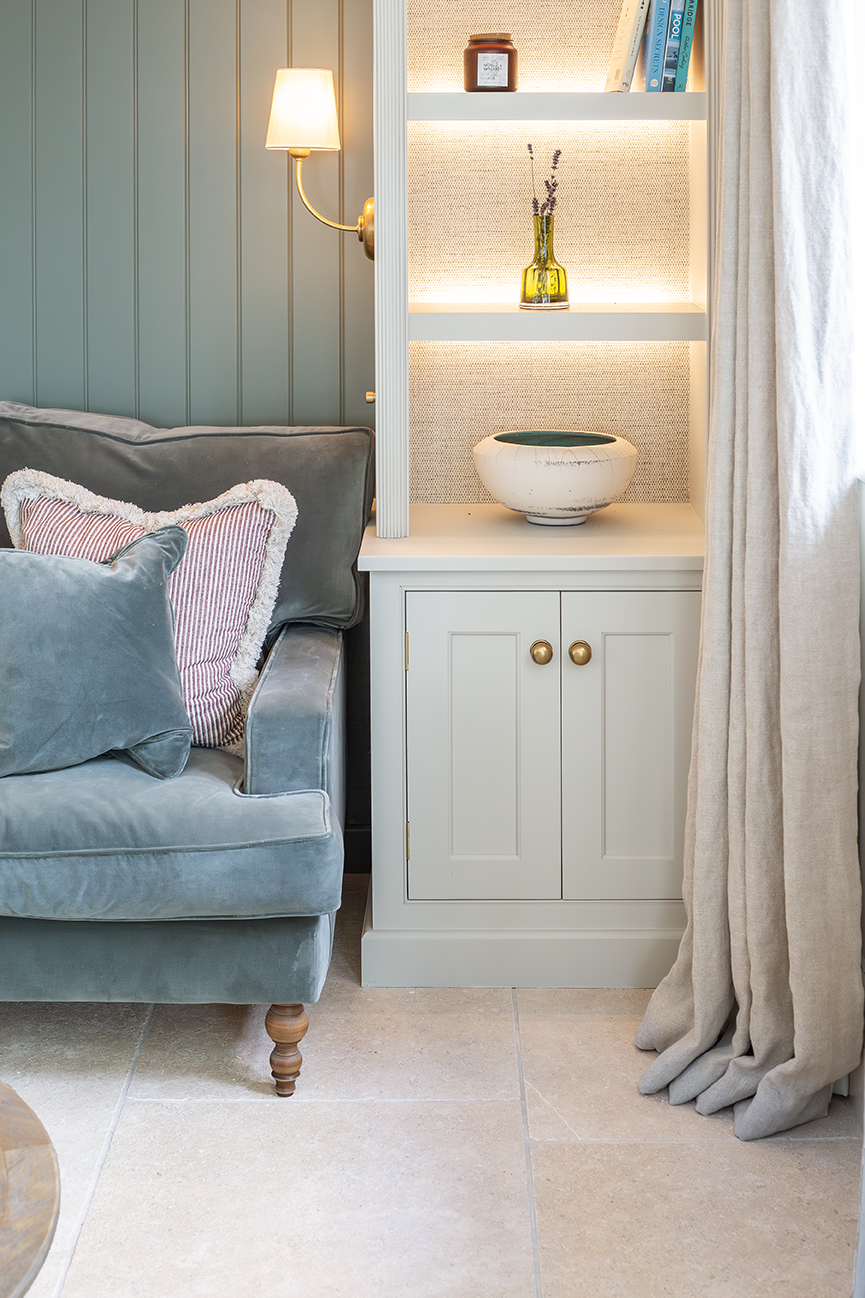
What does Dijon Seasoned limestone look like?
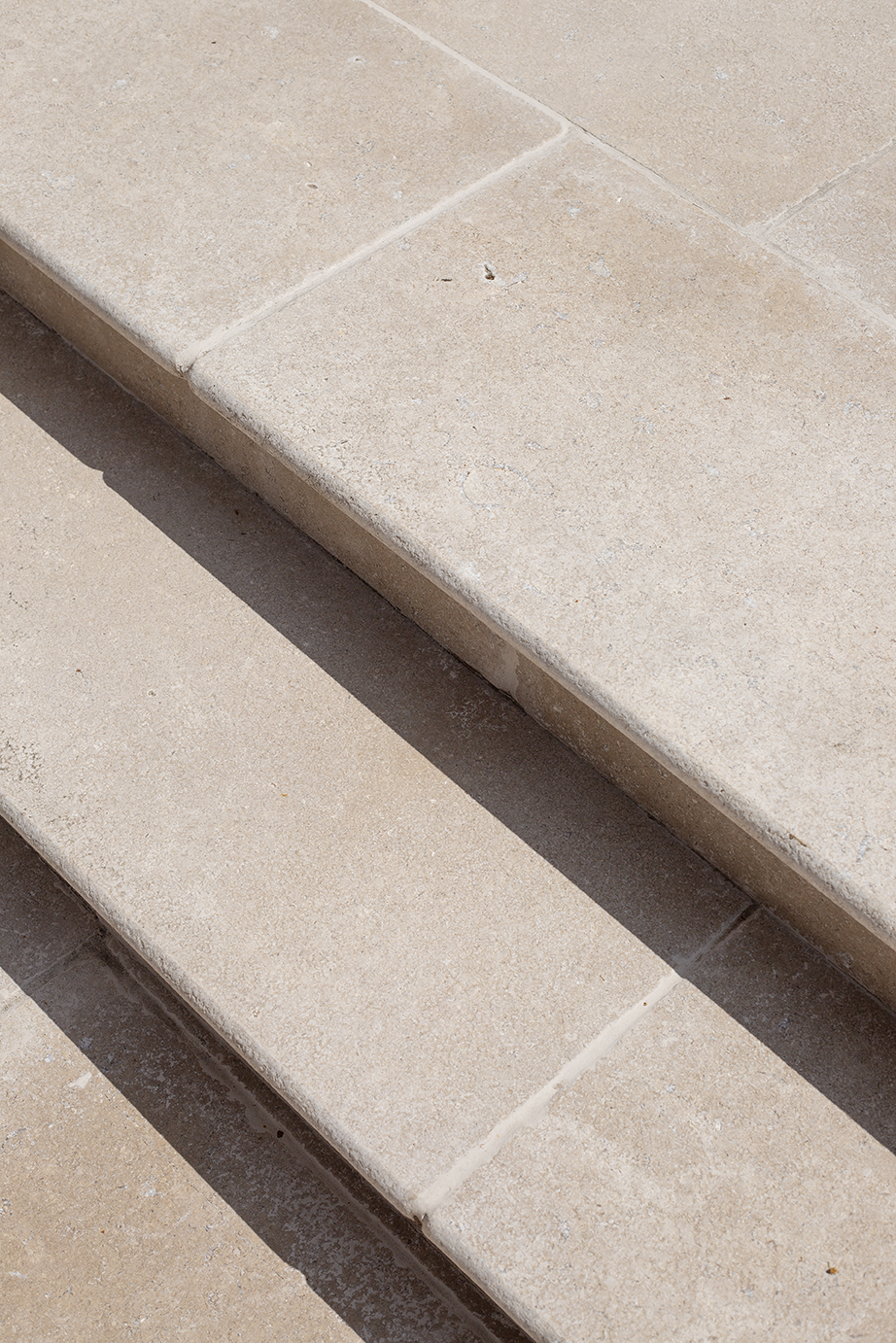
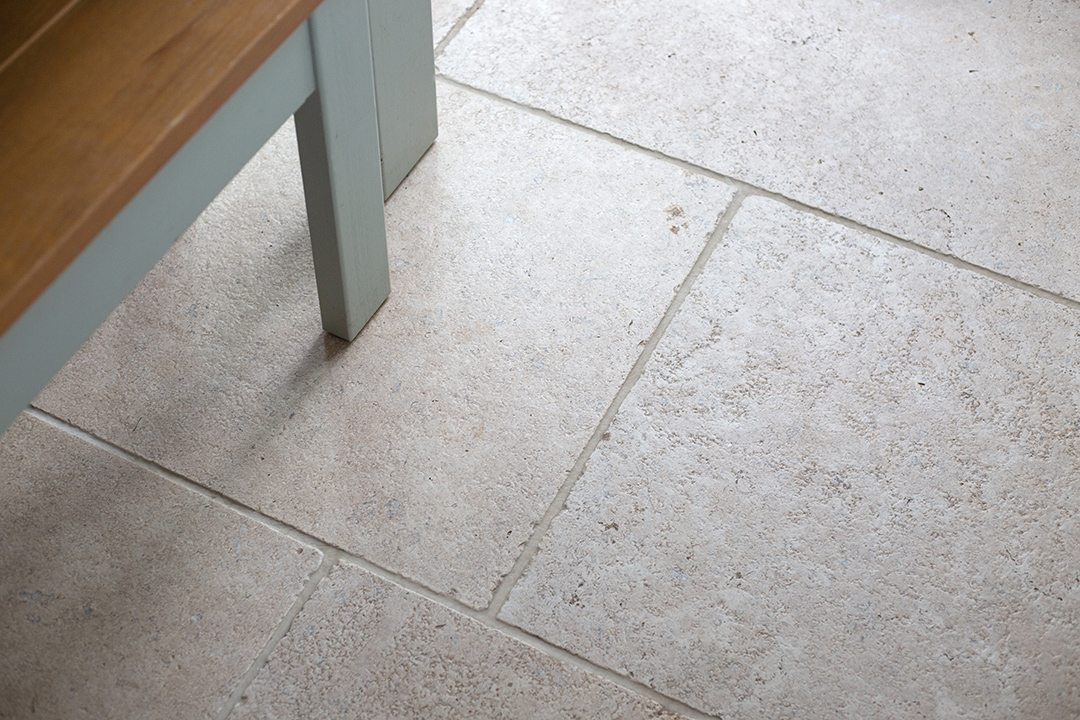
The treatment applied during production creates an added texture on the surface of the Dijon Seasoned limestone, with a traditional, rustic charm. This process also alters the tone of the Dijon slightly, featuring a chalky paleness when compared to other Dijon limestone finishes. In addition to the tumbled edges of each tile, this creates a timeless and traditional look.
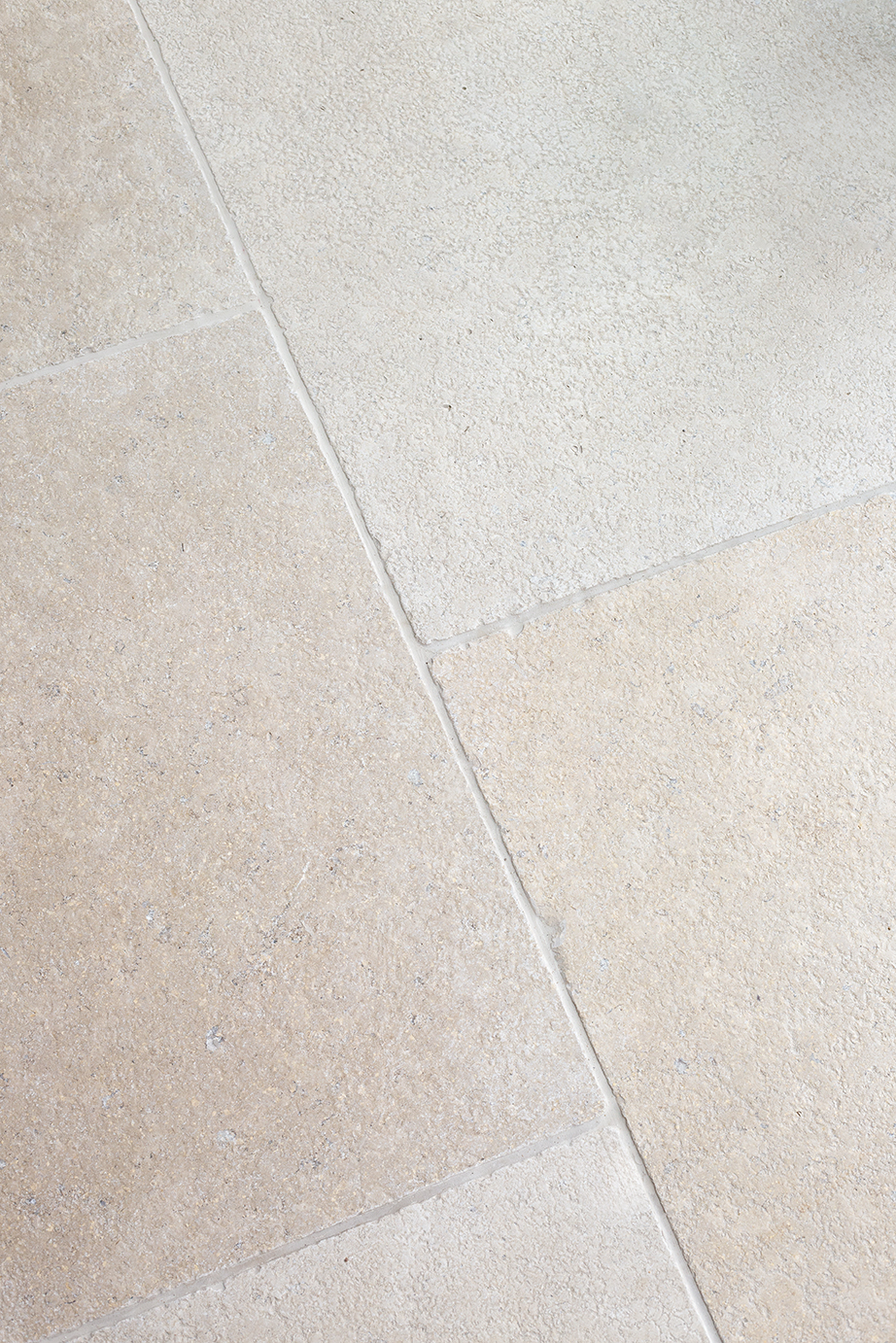
Where can I use Dijon Seasoned limestone?
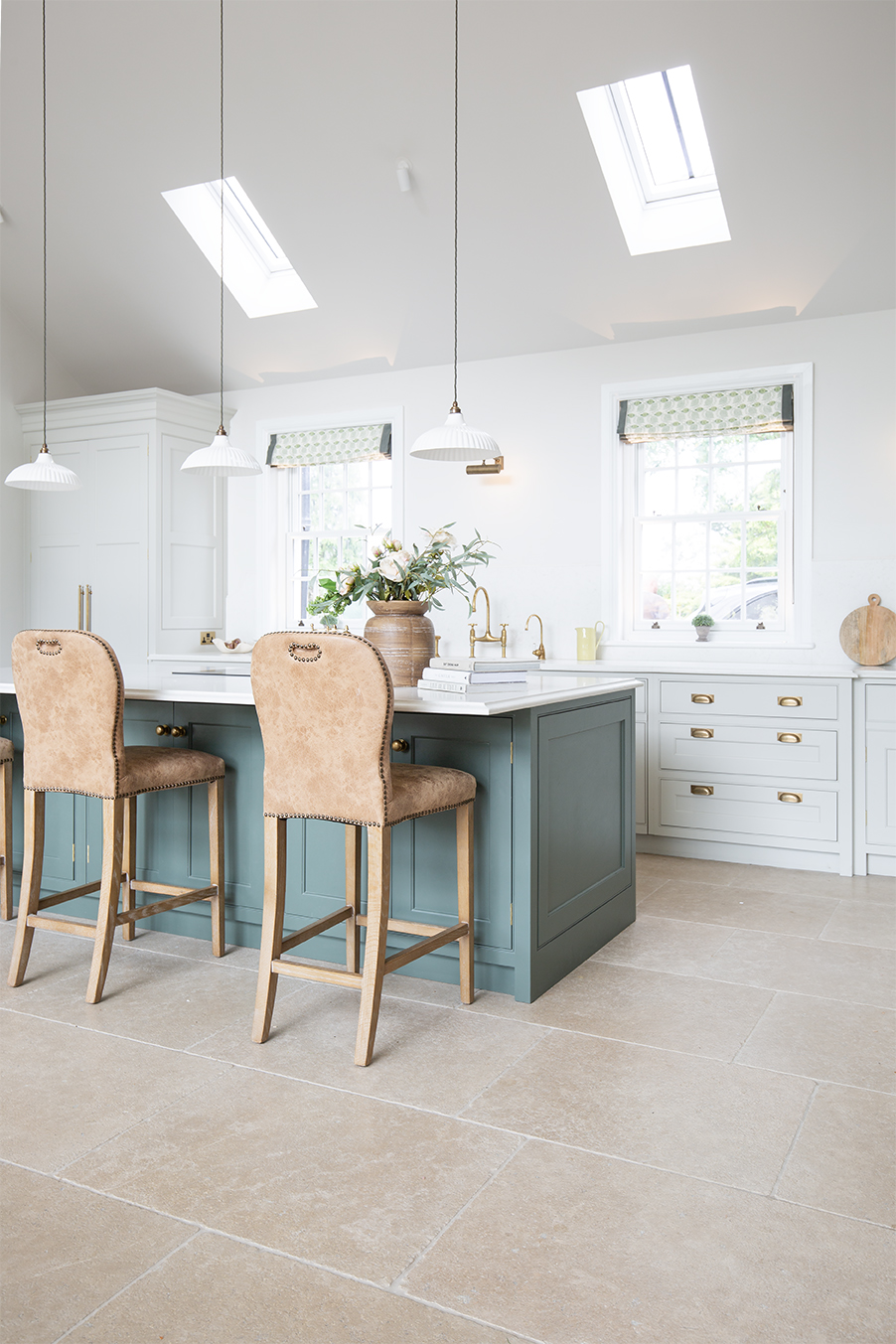
One of the main attractions of Dijon limestone is its versatility, and Dijon Seasoned limestone is no different. Its dense and rugged structure holds up perfectly well to everyday wear and tear, both indoors and outdoors.
Stylistically, Dijon Seasoned limestone lends itself particularly well to classical, traditional or rustic projects, such as country cottages, period homes and barn conversions. The texture and overall feel of the stone complements other natural or rustic materials used throughout such a project.
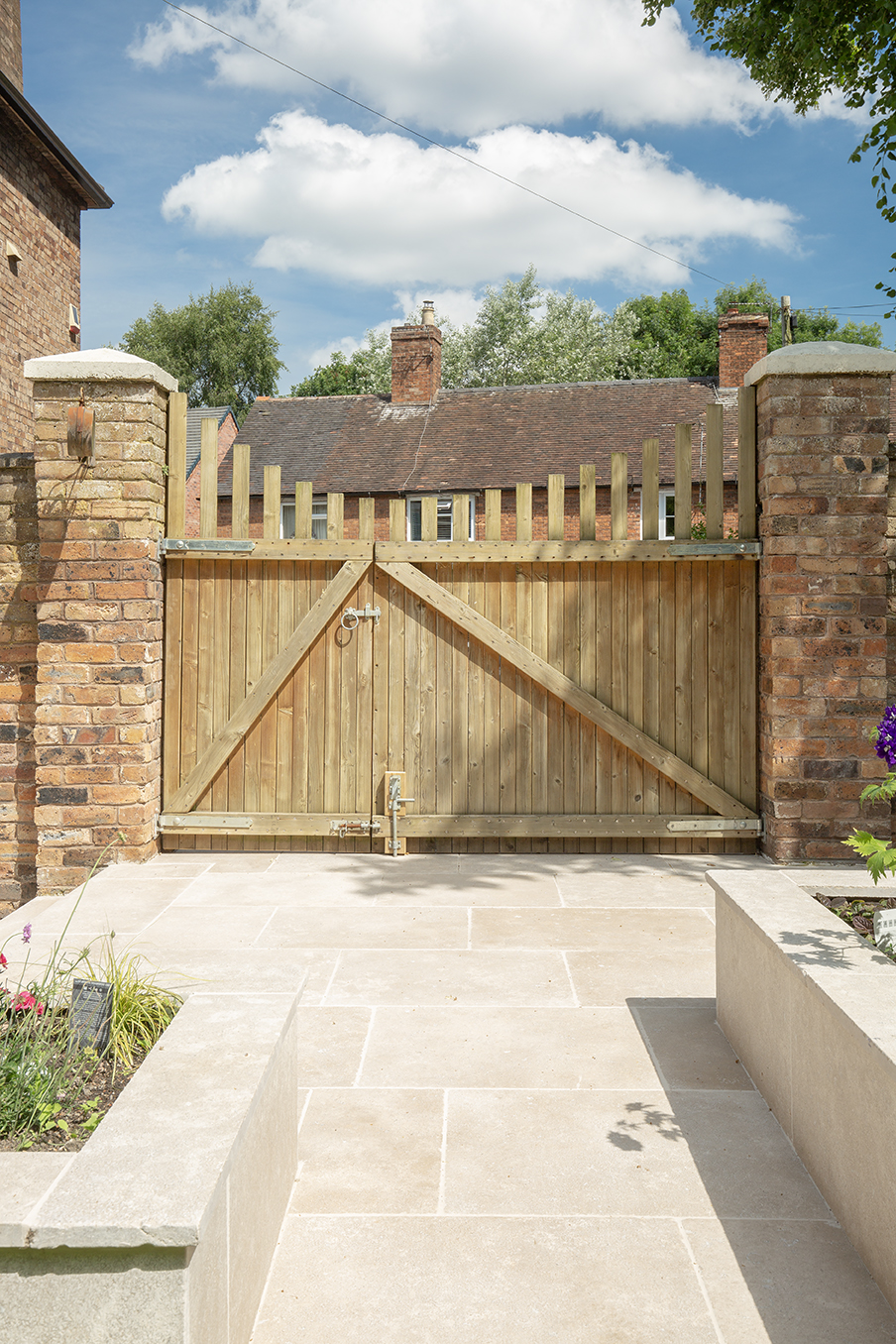
Outdoor spaces are another main area in which Dijon Seasoned limestone makes a practical and aesthetically pleasing choice. The added texture from the seasoning process ensures good grip in all weather conditions, and the accompanying steps and coping stones on offer provide an added finishing touch to a Dijon Seasoned limestone outdoor project. For more information on outdoor Dijon limestone then visit our post on the best Dijon limestone tiles for outdoor paving.
How does Dijon Seasoned limestone compare to other finishes?
In terms of texture and aesthetics, Dijon Seasoned limestone with its tactile and traditional look sits at the most rustic end of the Dijon limestone range.
The Tumbled finish of Dijon limestone features the same tumbled edges, but with a smoother surface finish, perfect for similar styles of property but with a slightly more modern feel. The Brushed finish meanwhile provides a further element of contemporary style, with a further sheen to the surface finish and straight cut edges.
How to care for Dijon Seasoned limestone?
Caring for Dijon Seasoned tiles is straightforward when you follow a few key steps. Start by using a cleaner specifically designed for limestone, using harsh or acidic products such as bleach or commercial bathroom cleaners, can damage the stone and its sealant. A pH-neutral cleaner like Lithofin Wash & Clean diluted in warm water is ideal and it’s always wise to test any new product on a small, inconspicuous area first. Regular maintenance should include vacuuming or sweeping with a soft brush attachment, ideally when dirt or mud is dry to prevent it from spreading across the floor. Limestone’s natural variations, fossils, and textures make it forgiving when it comes to everyday dust and dirt, but occasional mopping with a suitable stone cleaner will help maintain its beauty. Avoid over-mopping as excessive moisture can wear down the sealant and affect the grout. Sealing your limestone is essential to protect against water and stains with resealing recommended every 4–6 years in most indoor spaces, or more often in high-moisture areas such as bathrooms. A simple water test, where droplets bead on the surface, can help you know when resealing is needed. Even with sealing it is important to spot clean spillages promptly, especially acidic substances like wine, coffee, citrus juices, or pet accidents, using a cloth and warm water to prevent marks. For those occasional stubborn stains having a stone-friendly product such as Lithofin Power Clean on hand ensures you can tackle mishaps quickly, keeping your limestone floor looking its best for years to come.
–
We hope this has been a useful and valuable insight into what is Dijon Seasoned limestone, providing you with how you can use this stone in your own Dijon limestone project as well as the different properties that make up this unique and popular finish. For more information on this stone and its other finishes, then read our post on things to know when buying Dijon limestone.